
Blog
Insights & Stories
Perspectives on fertility care and AI, for clinics and patients.
Looking for product release notes — what shipped in each version? See the Fertiligent Release Notes.
Featured posts

AI in Fertility Clinics: Why Every Practice Needs an AI Platform
Discover how AI assistants are transforming fertility clinics with automated documentation, patient support, and evidence-based decision support. Learn implementation strategies and ROI benefits for modern fertility practices.

Why Fertility AI Companions Are the Next Big Investment Frontier
The rise of AI companions is transforming fertility care. Beyond answering medical questions, these digital companions provide empathy, reassurance, and tailored support — filling the gap between clinical visits and the emotional needs of patients. Fertility journeys are deeply personal, and AI companions are emerging as a trusted partner to guide, comfort, and empower.

Navigating Fertility Overwhelm: From Google Searches to Trusted Guidance
Feeling buried under fertility articles, forums, and conflicting advice? Learn how a fertility companion can cut through the noise, deliver trusted guidance, and provide both clarity and compassion on your journey.

Patient-Support Infrastructure: How Fertility Clinics Scale Without Adding Headcount
Fertility clinics can't scale by adding clinics alone — staffing is constrained and demand is rising. Here's why patient-support infrastructure, not headcount, is becoming the real driver of sustainable growth.
Why Healthcare AI Works in Fertility Care: Trust, Understanding, and Emotional Intelligence
Advanced technology alone doesn't win adoption in fertility clinics. What actually works is AI that clinics can trust, that patients understand, and that feels emotionally present during one of life's most uncertain journeys.
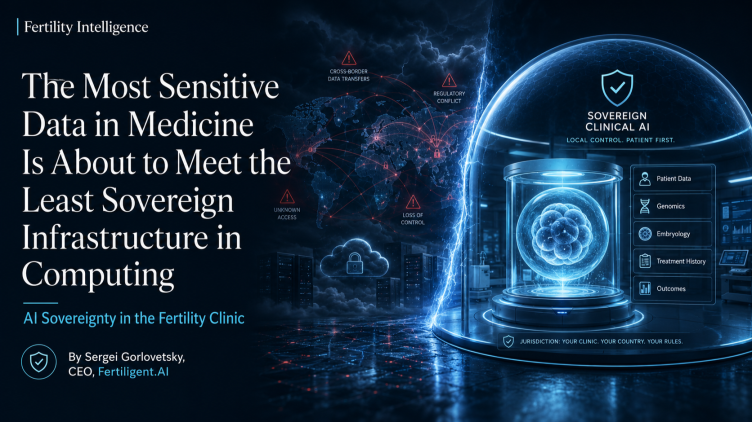
Fertility Data Sovereignty: The Most Sensitive Data in Medicine Meets the Least Sovereign Infrastructure
Under oath before a French Senate inquiry, Microsoft France could not guarantee that French citizens' data would stay beyond the reach of US authorities. That admission — and 23andMe's bankruptcy sale of 13 million genomes — expose why fertility clinics, which hold the most sensitive data in medicine, must control where AI inference actually happens.
The Waiting Economy of Fertility Treatment
The public imagines fertility treatment as a sequence of medical events. Patients live something else — the unsupported waiting between them, where anxiety peaks and roughly one in three leave treatment before their medical odds run out. The clinic that wins the next decade builds the layer that supports the waiting itself.
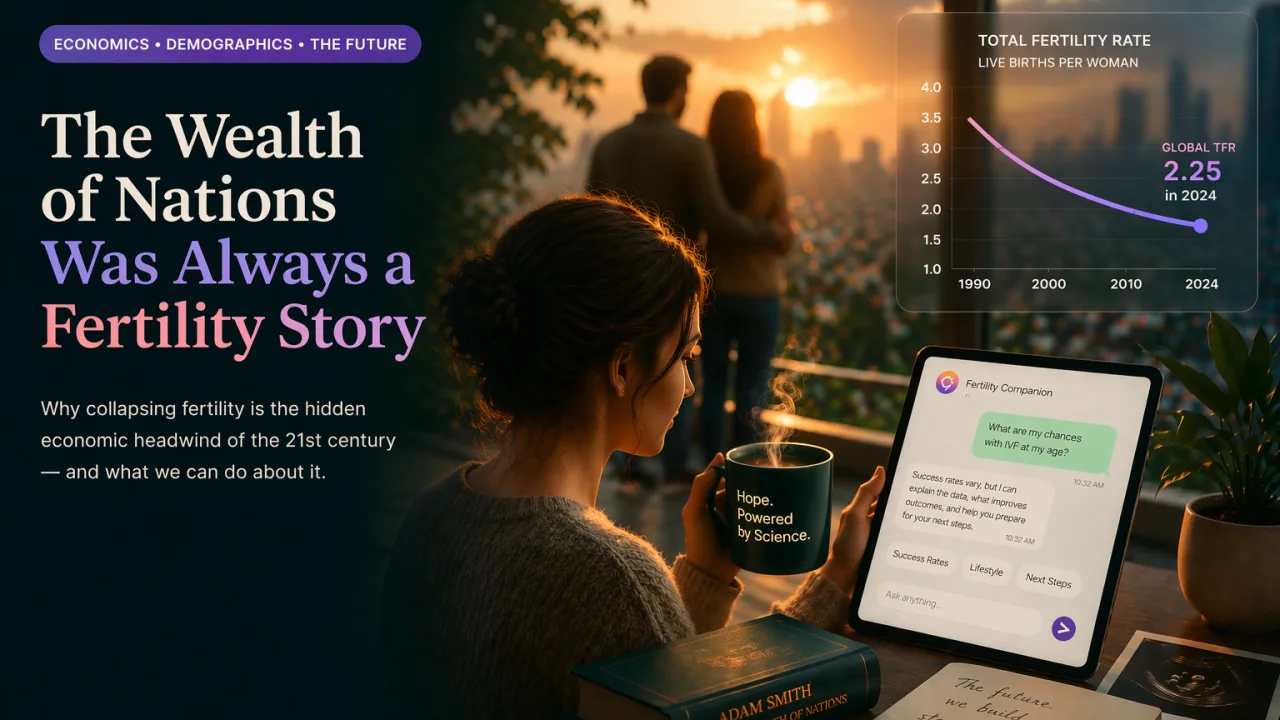
The Wealth of Nations Was Always a Fertility Story
In 2024 the fertility rate in Seoul fell to 0.64 — the lowest a major city has recorded outside famine or war. Collapsing fertility is the hidden economic headwind of the century, three decades of pronatalist cash transfers have barely moved it, and the most leveraged, under-invested fix is to treat reproductive medicine as civilizational infrastructure.

Infertility in the Age of the Singularity
Fertility care is at a technological inflection point. AI embryo selection, lab robotics, and emerging biotech like in vitro gametogenesis could raise success rates and reshape a $70B market — but realizing the upside demands rigorous validation, equitable coverage, and updated ethics and regulation. A landscape report.
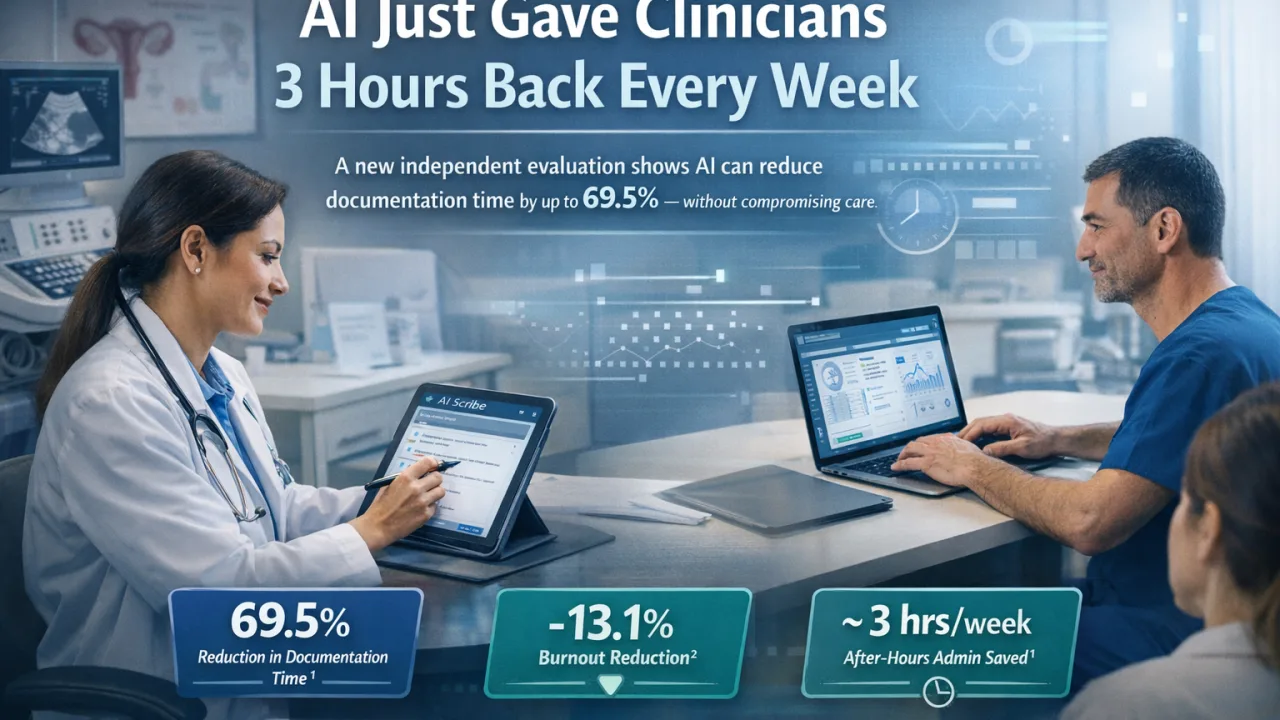
Measured Impact: Clinical Evaluation Proves AI Reduces Documentation Burden
Peer-reviewed clinical evaluations show AI scribes cut documentation time by roughly 10–70% and measurably reduce clinician burnout. Here is the evidence — and how fertility clinics can apply it across documentation, intake, throughput, and patient engagement, with clinician oversight.

Why Patients Sometimes Tell AI What They Don't Tell Their Doctors
Patients are sometimes more open with AI than with their doctors — not because they distrust clinicians, but because AI feels non-judgmental. Here is what the disclosure research shows, and why a responsibly designed fertility companion becomes a first layer of honesty that strengthens the clinician-patient relationship rather than replacing it.
Why Fertility AI Companions Are the Next Big Investment Frontier
The rise of AI companions is transforming fertility care. Beyond answering medical questions, these digital companions provide empathy, reassurance, and tailored support — filling the gap between clinical visits and the emotional needs of patients. Fertility journeys are deeply personal, and AI companions are emerging as a trusted partner to guide, comfort, and empower.

Fertility Unpacked: Olympia Valance and Experts Demand Better Reproductive Education
Olympia Valance and fertility experts united in calling for urgent improvements in reproductive education in schools, sharing raw personal stories and policy insights that underscore what students are missing—and what they deserve to know.

Breaking the Silence: Why Emotional Support Matters in Fertility Care
Fertility care is more than tests and treatments — it's an emotional journey. Learn why support matters as much as science, and how Fertiligent helps patients feel truly understood.
Navigating Fertility Overwhelm: From Google Searches to Trusted Guidance
Feeling buried under fertility articles, forums, and conflicting advice? Learn how a fertility companion can cut through the noise, deliver trusted guidance, and provide both clarity and compassion on your journey.

Why Every Fertility Journey Needs More Than Just Medical Facts
Fertility journeys are filled with more than medical procedures and test results — they’re emotional, deeply personal experiences. This post explores why emotional support, empathy, and practical guidance are as essential as clinical expertise, and how a fertility companion can provide both.

The Lonely Wait: How a Fertility Companion Can Make the 2-Week Wait Easier
Fertility challenges aren’t just medical—they’re deeply emotional. Discover how compassionate, personalized support can make the journey less overwhelming and more empowering.